Happy D20 Adventures #3
Facebook Twitter Reddit Tumblr Email
Facebook Twitter Reddit Tumblr Email
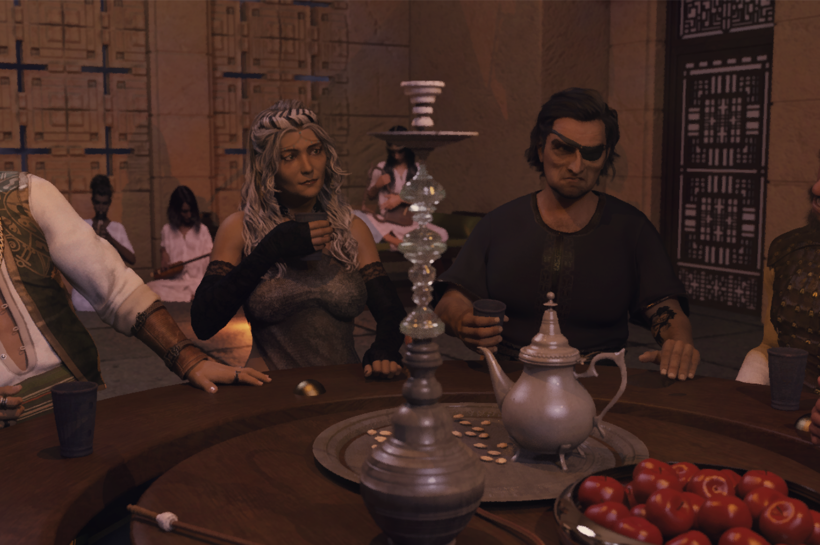
A recent post on a gaming blog I follow mentioned an online tool called inklewriter, which…

To view this content, you must be a member of Steve’s Patreon at $1 or…

To view this content, you must be a member of Steve’s Patreon at $1 or…

Although some of our Ohio folks have already been to BashCon this year, the con…

To view this content, you must be a member of Steve’s Patreon at $1 or…

To view this content, you must be a member of Steve’s Patreon at $1 or…

The Bureau of Monster Affairs is the governmental organization in charge of regulating monster hunting…

To view this content, you must be a member of Steve’s Patreon at $1 or…

To view this content, you must be a member of Steve’s Patreon at $1 or…
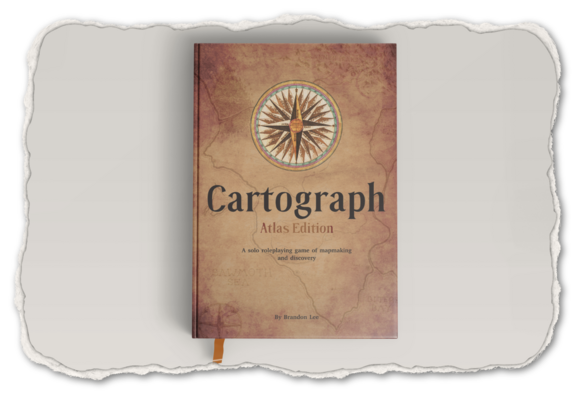
As a general rule, I don’t really get journaling games. It seems like they just unnecessarily complicate perfectly good writing prompts. The only ones that really get a second look from me are the ones where you’re creating something other than a story, especially if that thing is something you can actually use in a…
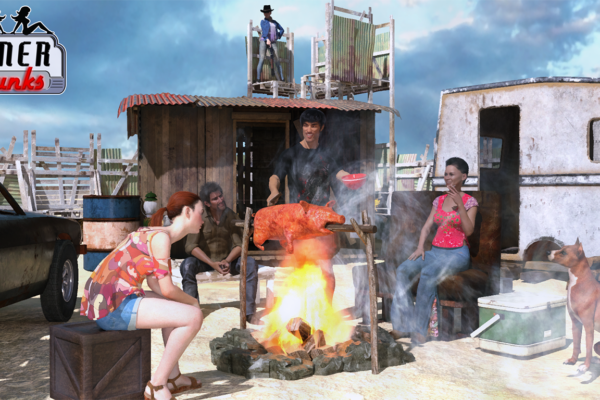
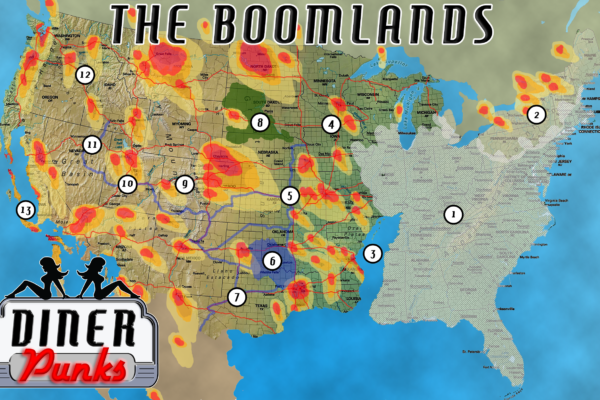
Just posted a glossary of Boomlands slang on the Diner Punks site. Read at World Anvil Facebook Twitter Reddit Tumblr Email

Every crowdfunding campaign begins with a series of emails from people who want to help you with your Kickstarter (for a small fee, of course). Some of these are legitimate marketing scumbags, but most are full-blown scammers. Previously, I’ve just deleted these messages, but this year I decided to respond to them and see how…

For the last several years, a number of Hex contributors have been participating in Zine Month and ZineQuest. In addition to QAGS supplements about fantasy taverns and magical Elvises, we’ve released supplements for Dungeon Crawl Classics, Old School Essentials, and Troika. This year is no exception and we’ve got three zines competing for your shekels on Kickstarter this month. Collect them all!
Elvis is alive and well and rebuilding Vegas. READ AT WORLD ANVIL Facebook Twitter Reddit Tumblr Email


What’s an RPG setting without a Holy Grail? Read at World Anvil Facebook Twitter Reddit Tumblr Email
The diner that started dinertowns. READ AT WORLD ANVIL Facebook Twitter Reddit Tumblr Email